REPTILES

Working as a herpetologist assistant in my early youth, I was lucky to have worked with a large variety of exotic & venomous reptiles from around the world. Gaining priceless experience on how to correctly handle and care for such fascinating creatures sparked my interest into researching our own native reptiles here in the UK.

ADDER

SCIENTIFIC NAME: Vipera berus

The Adder is the UK’s only venomous snake and they live a very secretive lifestyle.

With its hypotonic zig-zag camouflage they can simply go unnoticed in the undergrowth making this one of the most elusive reptiles to find and photograph.

Females are usually brown with A black zig-zag pattern AND the Males CAN BE grey, BLACK OR BLUE with THE SAME black ZIG-ZAG markingS.

Adders can be found in a variety of habitats such as meadows, woodland, open clearings, hedgerows, coastal areas and stone quarries.

Length: Adults usually grow to an average size of 55 cm.

Weight: Adults are usually 50 – 100g

Food: Adders will feed on small mammals, lizards, birds and frogs. Once they have identified their prey they will strike injecting a dose of venom AND quickly releasING from THE BITE so it will not be attacked. Once the prey has been bitten they will wander off to its death where this amazing reptile will use its senses to track down its meal.

Lifespan:  They can live for up to 15 years in the wild.

Reproduction: Adders reach sexual maturity between THE AGE OF 3 and 4 years. During the warmer spring days the male adders will actively search for females by picking up pheromones in the air. Females will give birth to live young AND The gestation period is about three to four months. Adders typically give birth to 3 – 12 babies which will be completely independent and ready to go soon as they are born.


GRASS SNAKE

SCIENTIFIC NAME: Natrix natrix

The Grass Snake is the UK’s most common and widespread of the three native snakes species.

This stunning reptile is also called the ringed snake or the water snake and it is a non venomous species.

From my own experience I recommend handling these snakes with caution as if they feel threatened in anyway they will excrete a fluid all over your hands and that liquid really stinks!! It kinda reminds me of old skinky libary books and rotten onions! This smell lasts will last for day and weeks so you have been warned.

Grass Snakes are carnivores and will feed on a variety of different kinds of amphibians such as frogs, toads, newts and even small fish, mammals and birds.

These snakes are active predators and for any unfortunate prey its hunting it has little to no chance of espace and will be swallowed alive.

Length:  Females grow up to 2 meters in lenght but on average reach 90 – 110 cm. Males will grow to 80cm with an average size of 60cm.

Weight: Adults from 100 – 240g

Reproduction: Adults will emerge from hibernation during March and April where mating takes place. Grass Snakes are the UK’s only egg-laying snake. Eggs will usually be laid in June and July into rotting vegetation which acts as an incubator. The eggs will hatch in late summer with perfect tiny miniature versions of the adults. The rest of the year is spent preparing for winter and they will go back into hibernation around November.
 
 Lifespan: 15 – 25 years

SLOW WORM

SCIENTIFIC NAME: Anguis fragilis

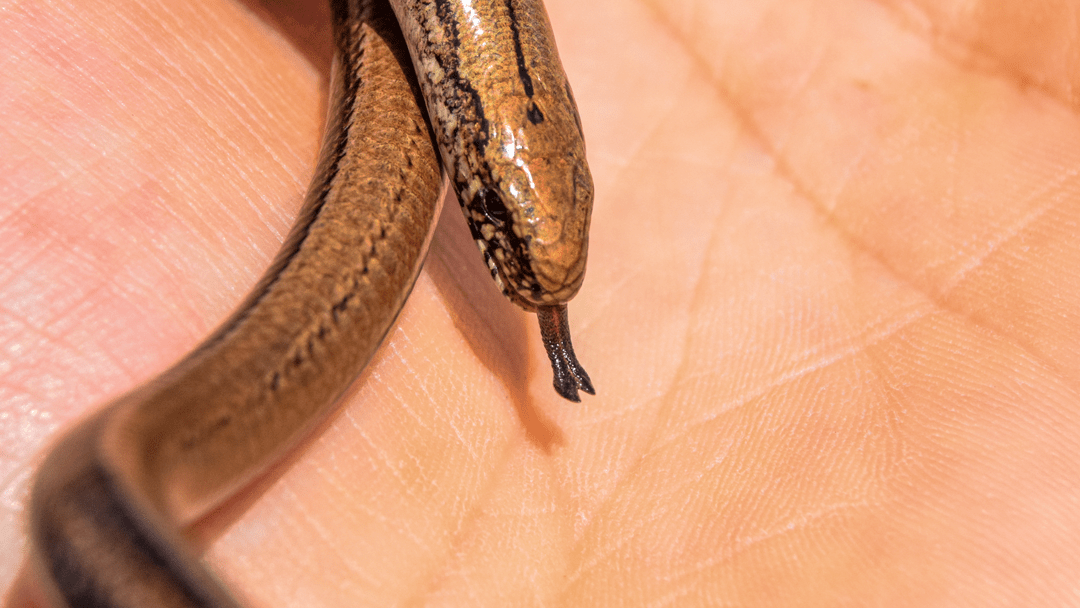
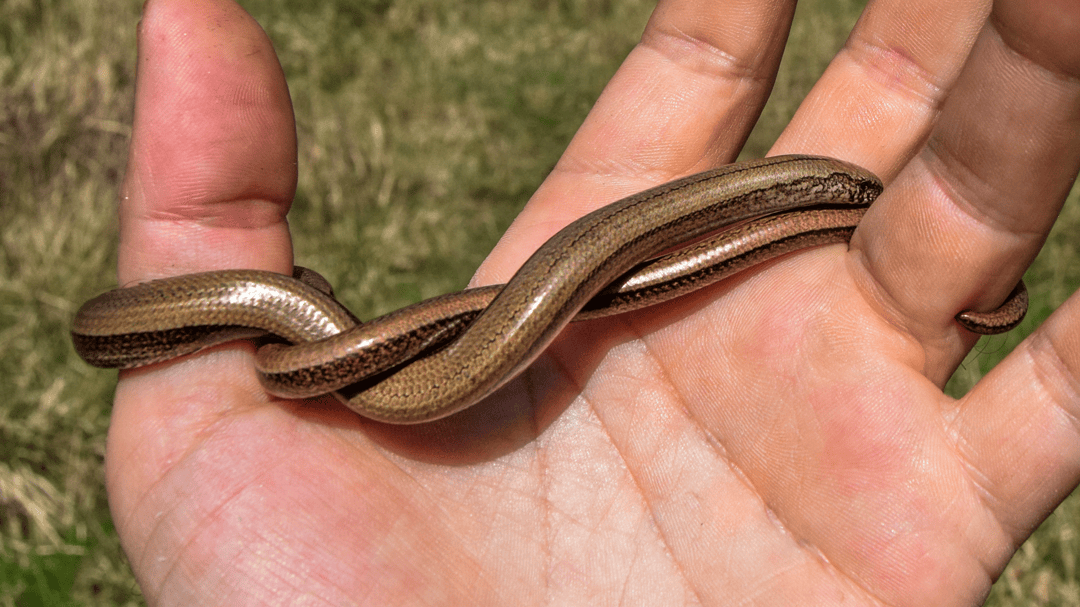
The slow worm is not either a worm or a snake but is in fact a legless lizard. 

They can be found throughout mainland Britain are most common in Wales and south of England.

Unlike our other reptiles slow worms will rarely bask in the open and often preferring to hide under logs and other lower vegetation.

Food: Slow worms feed on slow moving prey such as slugs, snails, spiders, insects and earthworms.

Reproduction:  Rather than laying eggs the female slow worm gives birth to live young. A newborn slow worm is about 5 – 10 cm in length and will take  upto 6-8 years to reach its full adult size.

Length: 40 – 50cm

Weight: 20 – 100g

Lifespan: 20 years

COMMON LIZARD

SCIENTIFIC NAME: Zootoca vivipara

The Common lizard is the UK’s most widespread reptile and a real delight to see.

These lizard are most likley to be seen in a variety of habitats such as commons, heaths, moorland, woodlands and coastal areas.

The common or viviparous lizard is one of three lizard species that can be found all over the UK.

Their scales and colours range from brown, grey, yellows and greens.

These lizards live on the ground but can also be seen climbing tree, rocks, logs and on up on most vegetation so keep your eyes out for these impressive lizards.

Usually the best time to see these lizards is from March untill late October.

Food: They feed on small insects, spiders and snails. The lizard will shake its prey to death in its jaws before chewing and swallowing it whole.

Reproduction: They mate in April to May depending on the seasons and weather conditions. The young develop for three months inside the female.

Males reach sexual maturity at the age of 2 with the females around the age of 3 or 4.

Also these lizards will often hibernate in groups from November and March.

Length: 10 – 15cm

Weight: 5 – 10g

Lifespan:  5 – 6 years

WALL LIZARD

Scientific Name: Podarcis Muralis

The wall lizard gets its name from the habitat where it lives. They can be found living in and around walls, rocks and boulders.

 I was lucky to have been shown an active breeding site on the Isle of Portland in an abandoned quarry site.

They are a non-native alien species to the UK and have been introduced from mainland Europe.

They can be seen hunting during daylight hours making them an enjoyable reptile species to observe as they are active predators. These lizards are extremely fast and can effortlessly run up vertical walls and rock faces in a blink of an eye in the pursuit of a tasty meal, they feed on a wide variety of insects and invertebrates.

Reproduction: Breeding season starts in spring when they emerge from hibernation. After successfully mating it takes a period of 4 – 6 weeks before the females lay up to 2 or 10 eggs. The eggs will hatch within 6 – 10 weeks during the summer season. Once the baby lizards have hatched they start hunting and feeding themselves within the first 24 hours.

Length: 10 – 20cm

Weight: 5 – 20g

Lifespan: 4 – 20 Years

NEXT PAGE

Images Protected by Copyright Law. © All Rights Reserved

Scroll to Top